The Hidden Cost of Waiting
The Hidden Cost of Waiting: Why Repeated Band-Aid Solutions Can Keep You Stuck in Pain
When Relief Becomes a Cycle
It often starts with something small. Your back tightens up after a workout. Your knee aches on a hike. Your hip starts bothering you during a run.
You rest, stretch, take medication, get an adjustment, or try a few exercises. The pain improves, and you get back to your routine.
Then it returns.
So you repeat the process. Maybe you try a different treatment or search for another stretch online. You might even change how you exercise, avoid certain movements, or push through the discomfort because you don't want to give up being active.
Sound familiar?
The problem isn't that these approaches are necessarily bad. Many can provide valuable relief. The problem is when temporary relief becomes the entire plan, without understanding why the pain keeps coming back.
Getting out of pain is step one. Being able to stay out of pain and confidently do what you love is the bigger goal.
The Cost of Treating Symptoms Without Understanding the Cause
Pain is real, but the location of your pain doesn't always tell the whole story.
For example, recurring knee pain may involve more than the knee itself. How your hips move, how your foot loads, your strength, and your coordination can all influence how force travels through your body.
Similarly, back pain may be influenced by movement limitations, strength deficits, or how you coordinate your breathing and bracing during exercise.
That doesn't mean every painful area has a hidden problem somewhere else. It means that looking only at where it hurts may leave important pieces of the puzzle unexplored.
When care focuses exclusively on calming symptoms, you may feel better temporarily without addressing the factors that contribute to recurring flare-ups.
Over time, that cycle can become expensive in several ways.
1. You Spend More Time Managing Pain
Every flare-up takes time. Appointments, recovery days, modified workouts, and searching for new solutions can gradually take over your schedule.
What starts as an occasional inconvenience can become a regular part of your life.
Instead of spending your energy getting stronger, training for an event, or enjoying a weekend outdoors, you're constantly trying to figure out how to keep your symptoms under control.
2. You May Start Giving Up the Activities You Love
Perhaps you stop running because your sciatica keeps flaring up. You avoid squats because of your knee. You skip hiking trips because you're worried about how your back will feel afterward.
At first, these adjustments might seem reasonable. Sometimes modifying activity is necessary while you recover.
But when avoiding activities becomes your long-term strategy, your world can gradually get smaller.
You may begin to question whether your body can handle the things that used to feel normal.
The cost isn't just physical. It's the frustration of feeling limited by your body when you want to stay active and independent.
3. Your Confidence in Your Body Can Decline
Repeated flare-ups can make movement feel unpredictable.
You might wonder whether a workout will leave you hurting for days. You may hesitate before lifting something heavy or feel anxious about increasing your running distance.
Eventually, you may stop trusting your body to do what you ask of it.
A big part of meaningful recovery is rebuilding that confidence through a better understanding of your body, appropriate progressions, and the ability to tolerate the demands of your life.
4. Temporary Solutions Can Add Up Financially
Individual appointments, medications, treatments, equipment, and exercise programs may each seem manageable on their own.
But when you're repeatedly paying for short-term relief without making meaningful progress toward your goals, the total investment can become significant.
This doesn't mean every short-term treatment is a waste. Some treatments are appropriate, necessary, and effective.
The important question is whether your overall approach is moving you toward a lasting result or simply helping you get through the next flare-up.
The cheapest option today isn't always the least expensive option over time. It's worth considering what you're investing in, what progress you're making, and whether your care is helping you move toward the life you want.
Why Waiting Can Make the Problem Harder to Address
Pain doesn't automatically mean damage is getting worse, and waiting doesn't guarantee that an injury will become more serious. Many conditions improve with time and appropriate self-care.
However, repeatedly working around a problem without understanding it can allow limitations, compensations, or movement habits to persist.
You might unconsciously shift your weight away from a painful knee, change how you run to protect your back, or avoid movements that feel uncomfortable. These adaptations can sometimes help in the short term, but they may also affect how you move and perform over time.
The longer you spend managing symptoms without a clear plan, the longer you may go without addressing relevant factors that could be improved.
You don't need to panic about every ache or assume you have a serious underlying problem. You do need to recognize when your current approach isn't producing the progress you want.
If pain keeps returning, limits your activity, or isn't improving despite your efforts, it's worth getting a thorough assessment.
What Does Treating the Root Cause Actually Mean?
The phrase "root cause" gets used a lot, but it shouldn't mean guessing at a single hidden problem or promising that one treatment will fix everything.
Pain can have multiple contributing factors, including tissue irritation, injury, changes associated with age, training demands, strength, mobility, and how your nervous system processes pain.
A thorough assessment helps determine which factors are relevant to your situation.
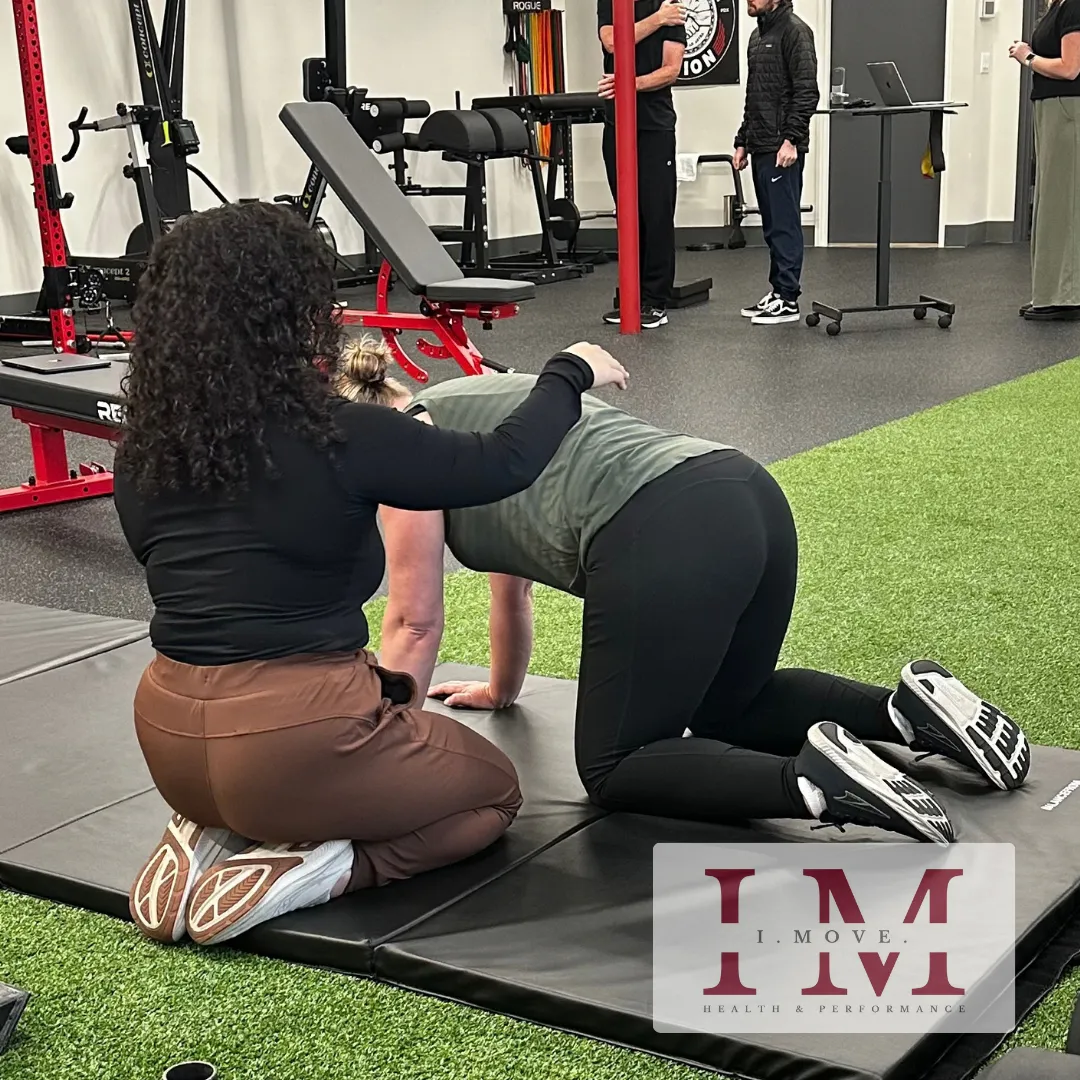
At I.MOVE. Health and Performance, our approach combines hands-on care, movement assessment, and education-based rehabilitation to help active adults better understand their symptoms and work toward meaningful, lasting progress.
Rather than focusing only on where it hurts, we look at how your body moves as a whole, including relevant mobility limitations, strength deficits, coordination, and movement patterns.
From there, the goal is to develop an individualized plan that fits your needs and helps you progress toward the activities that matter to you.
That may include reducing pain, improving movement, rebuilding strength, and gradually increasing your ability to tolerate the demands of exercise and everyday life.
The goal isn't simply to get you through another flare-up. It's to help you build the capacity and confidence to do more with your body.
How Do You Know When It's Time for a Different Approach?
Consider these questions:
Does your pain keep returning after temporary relief?
Have you stopped or significantly modified activities you enjoy?
Are you trying different treatments without understanding why your symptoms persist?
Do you feel unsure about what movements are safe or how to progress your exercise?
Are you making measurable progress toward your goals, or are you simply managing symptoms week to week?
If several of these sound familiar, it may be time to reassess your approach.
You don't necessarily need to abandon everything you've tried. You may simply need a more complete picture of what's happening and a plan that connects symptom relief with long-term progress.
And if your symptoms are severe, rapidly worsening, or accompanied by concerning signs such as new significant weakness or loss of bowel or bladder control, seek prompt medical evaluation rather than waiting for a routine appointment.
Don't Let Temporary Relief Become Your Long-Term Plan
You deserve more than a cycle of pain, temporary relief, and another flare-up.
You deserve to understand what may be contributing to your symptoms, what can realistically be improved, and what it will take to return to the activities that make your life meaningful.
Waiting doesn't always make a condition worse. But if your current approach isn't helping you move forward, continuing to repeat it may cost you valuable time, opportunities, and confidence.
You don't have to wait until pain becomes unbearable or you're forced to give up your favorite activities to seek answers.
At I.MOVE. Health and Performance in Clackamas, we help active adults move beyond symptom management and work toward becoming stronger, more capable, and more confident in their bodies.
Let's figure out what's holding you back and build a plan to help you move forward.

